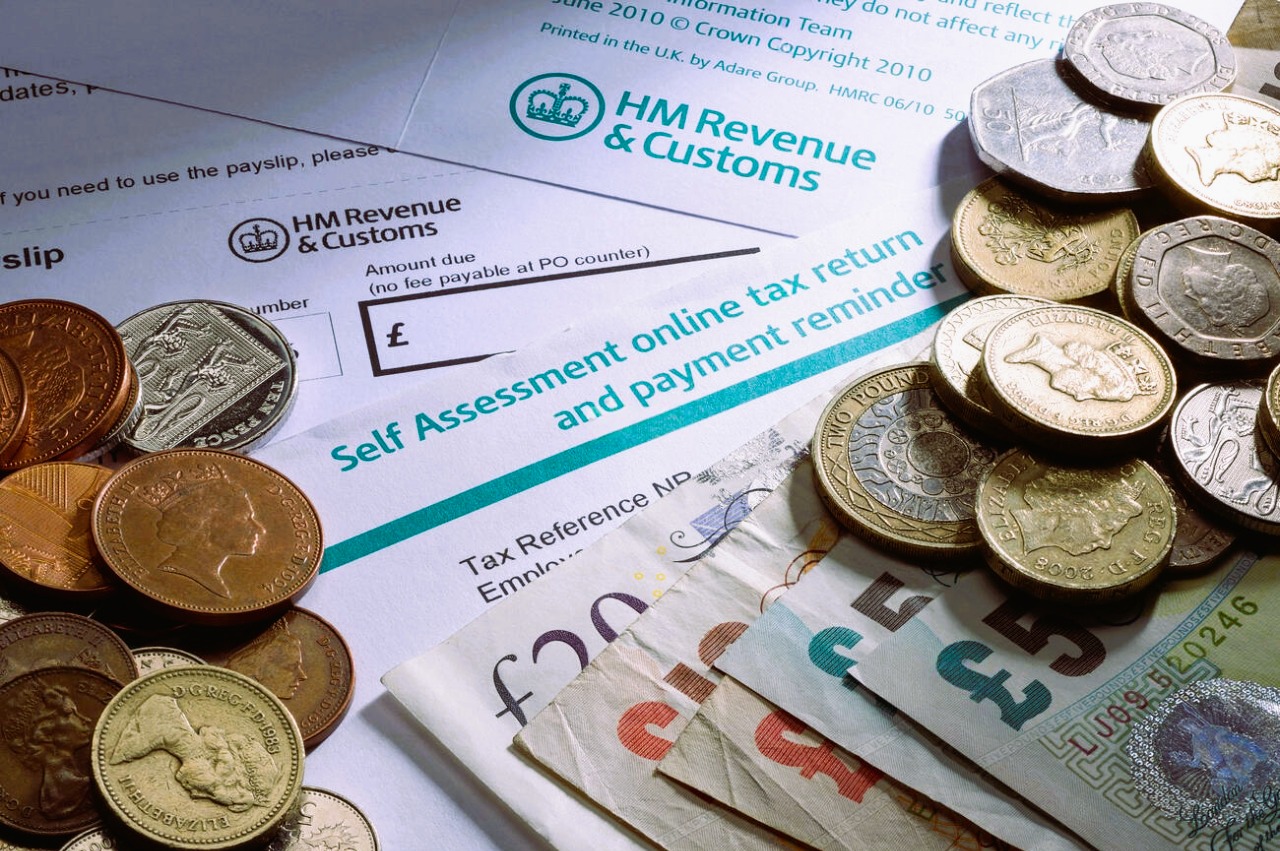
Filing your self-assessment tax return can feel intimidating, especially with the 31 January 2024 deadline approaching. However, with the right planning, preparation, and expert advice, you can simplify the process, meet your HMRC obligations, and reduce your tax bill. Here’s your ultimate guide to making self-assessment tax returns easier while ensuring you save where possible.
What Is a Self-Assessment Tax Return?
A self-assessment tax return is how you report your income, capital gains, and other taxable earnings to HMRC—especially if you’re self-employed, a landlord, a company director, or have other untaxed income sources like dividends.
The deadline for online submissions for the 2023/24 tax year is 31 January 2024. Missing this deadline can result in penalties, even if you owe no tax, so early preparation is key.
If you’re unsure about your tax responsibilities or how to report your income accurately, working with a self-assessment tax return accountant—like the professionals at Taxbee Accountancy—can help you avoid costly mistakes and penalties.
Get Organised: How to Prepare Your Tax Return
Preparation is the cornerstone of stress-free tax filing. Follow these steps to streamline the process and make filing your tax return self-assessment straightforward:
- Gather Your Documents Early: Collect essential paperwork, including;
- P60s and P45s (if applicable)
- Statements for freelance, rental, or dividend earnings
- Pension contribution receipts
- Records of charitable donations
2. Track Your Claimable Expenses: Maximize your deductions by keeping track of allowable expenses, such as;
- Office supplies
- Travel costs
- Professional subscription fees
3. Maintain Accurate Records: HMRC requires businesses and individuals to maintain financial records for at least six years. Using accounting software or working with a self-assessment tax return service can help you keep your records organised and easily accessible.
4. Don’t Overlook Pension Contributions: Reporting your pension contributions can reduce your taxable income. Higher-rate taxpayers can claim additional relief—making it an essential step in your tax-saving strategy.
How to File Your Tax Return: Step by Step
Breaking the tax return process into manageable steps can make it feel less overwhelming:
- Step: 1 Log Into HMRC’s Online Portal: Ensure your Government Gateway account is active. If you haven’t registered yet, do so well in advance to avoid delays.
- Step: 2 Complete the Necessary Sections Accurately: Report all relevant income, including:
- Self-employment income
- Rental earnings
- Capital gains
- Pension contributions.
- Step: 3 Review Your Allowances: Check eligibility for allowances like the personal allowance, trading allowance, and marriage allowance to reduce your taxable income.
- Step: 4 Submit Before the 31 January Deadline: Avoid penalties by submitting your self-assessment tax return and paying any outstanding tax on time.
Smart Strategies to Lower Your Tax Bill
There are several legal ways to reduce your tax bill. Here are some tips:
1. Claim All Available Tax Reliefs: Take advantage of reliefs for:
- Pension contributions.
- Charitable donations.
- Investments in SEIS or EIS schemes.
2. Work with a Tax Professional: Hiring a self-assessment tax return accountant can uncover deductions you might have missed and ensure your filing is accurate.
3. Use a Tax Return Service: If the process feels overwhelming, a self-assessment tax return service can handle everything for you, ensuring peace of mind and compliance with HMRC.
Common Mistakes to Avoid
When filing your tax return self-assessment, avoid these common pitfalls:
- Missing Deadlines: Late submissions result in automatic fines of £100, with additional penalties for prolonged delays.
- Providing Incorrect Information: Mistakes in reporting income or expenses can lead to investigations or unexpected tax bills.
- Overlooking Pension Contributions: Failing to report contributions could mean missing out on valuable tax relief.
Benefits of a Self-Assessment Tax Return Service
A professional self-assessment tax return service offers a range of advantages, including:
✅ Expert Guidance: Tailored advice for your unique financial situation.
✅ Time Savings: Avoid the hassle of navigating forms and calculations.
✅ Compliance Confidence: Know your tax return is accurate and adheres to HMRC rules.
Why Choose a Self-Assessment Tax Return Accountant?
Filing a self-assessment tax return can be complex, especially if you have multiple income streams or investments. A skilled self-assessment tax return accountant can simplify the process, optimise your deductions, and ensure compliance. By working with an expert, you gain access to strategic advice that can help you plan for future tax years as well.
Final Thoughts: File with Confidence
Filing your self-assessment tax return doesn’t have to be stressful. By preparing early, staying organised, and enlisting the help of professionals, you can reduce your tax bill, avoid penalties, and ensure compliance with HMRC.
Don’t wait until the last minute start gathering your documents and planning your strategy today. For a seamless and stress-free experience, consider working with a reputable self-assessment tax return service or accountant to handle the complexities for you.
Don’t wait until the last minute—start preparing your finances today.
👉 Special Offer: File your tax return with Taxbee Accountancy for just £149—All-In!
Affordable. Accurate. Stress-Free.
💬 Contact us today to get started!
📞 0208 129 0867
✉️ [email protected]